… And Why Tennis Coaches Do It Better!
Advice for Dance Teachers
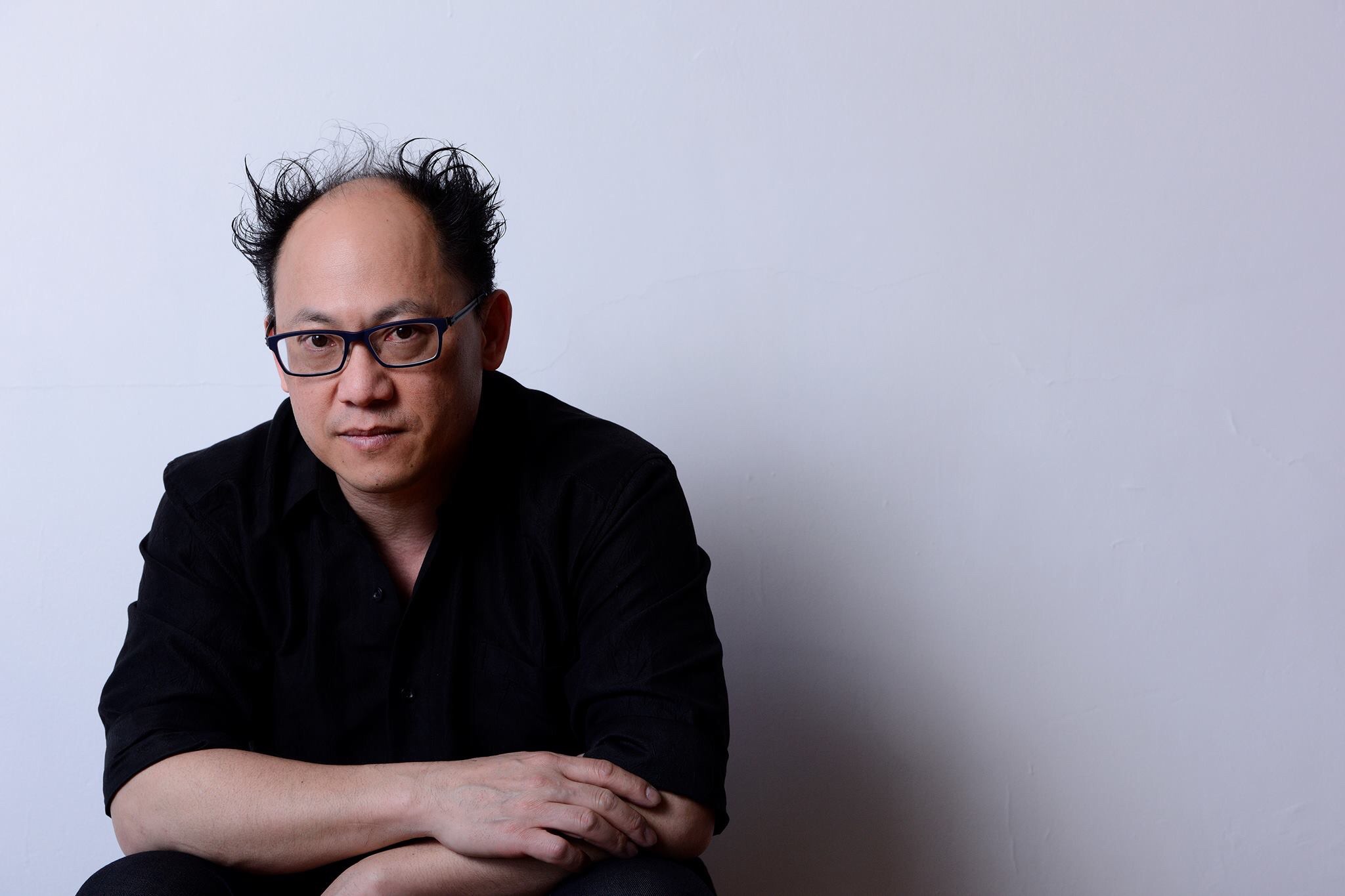
Guest Article by Rick Tjia
There is a certain simplicity to learning that seems to often be unnecessarily made complicated when many teachers teach. I will use dance improvisation classes here as an example to illustrate a point, but before I start, I would like to make it clear that the choice of class for this example is totally random and is only meant to illustrate.
When I teach a beginning improvisation class, my students are usually a bit perplexed for the first 45 minutes. I see the fear in their faces, the uncertainty that comes with having no idea what to do or how to do it.
Then somewhere in the middle of the class I use everything we did during the first half of the class to get across one single point that clears everything up. Just one point. An hour and a half to two hours of work to teach one single point. But it is a simple, concrete point that helps them understand where and how to even begin working. The fear disappears from their faces, and in some instances it is replaced with a joyful glow that indicates to me that they have fully understood my one simple point, and that the mystery is no longer a mystery.
Much of what I see in the world of teaching improvisation is very conceptual, very cerebral, and to be honest, very difficult for people (especially first-time improv students) to grasp. It’s often complex and not very easy to define, much less to explain.
I am a firm believer in beginning with concrete steps, not complex ethereal concepts. One cannot interpret before knowing how to move; one cannot paint emotion without first knowing how to simply hold a brush.
Inasmuch as I am myself a rather cerebral and sometimes complex person, I believe in building on banality ⏤ the mastery of doing simple, banal things many times. Ballet begins with a simple tendu; why would one start teaching improvisation with an abstract concept like “feel the space”? What does that even mean?
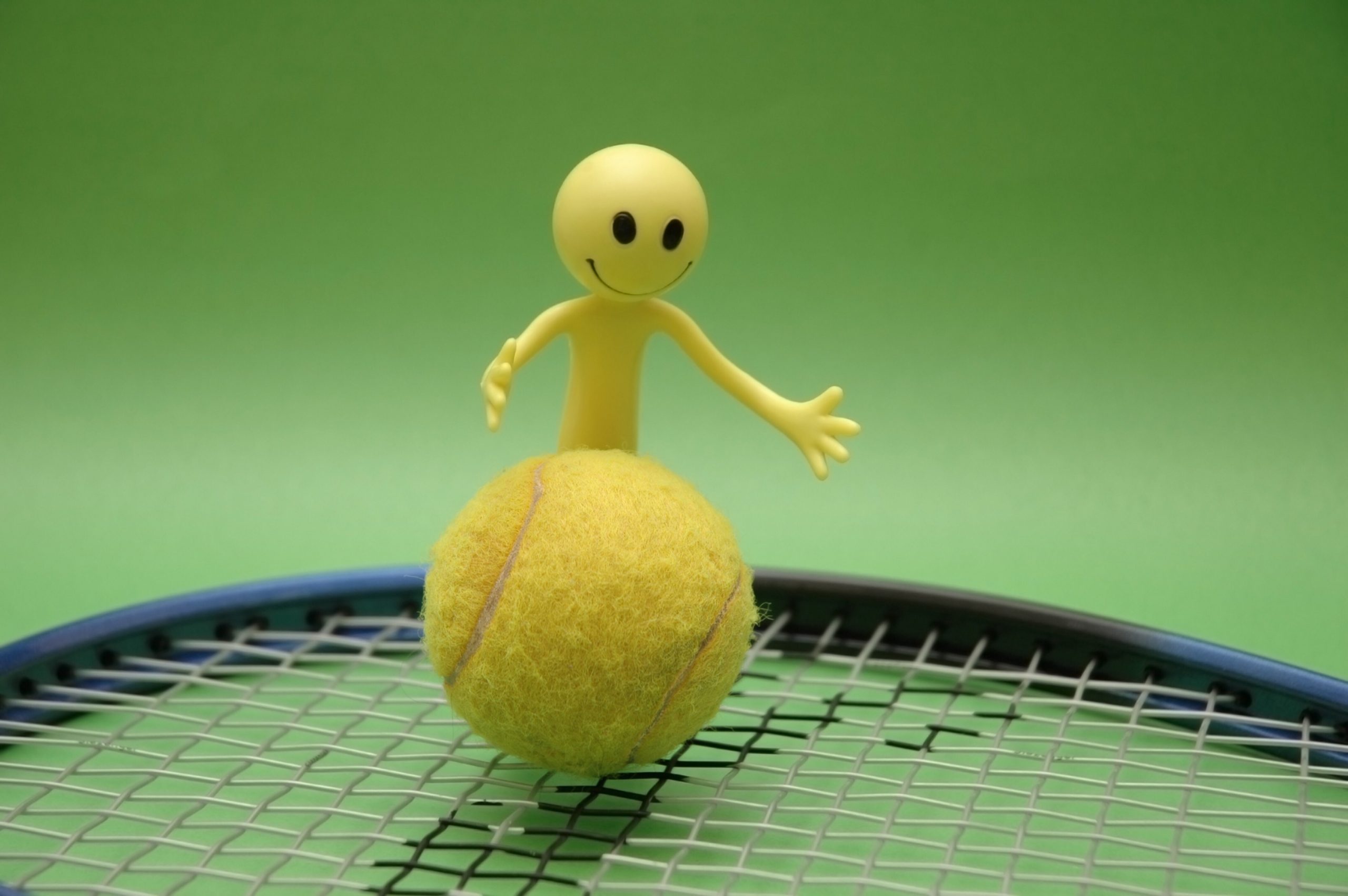
When first-time tennis students go to their first tennis lesson, the coach usually doesn’t begin the lesson by talking about game strategy. He starts by teaching them how to hold the racquet. And that is exactly what I do: I teach dancers how to hold ‘the racquet’. And this, before trying to hit any balls.
So we best begin with ridiculously simple things. And once we know those ridiculously simple things, we add on another ridiculously simple thing. We build upon what we know.
Which means that we also need to make sure that what you know is correct. Revisit old knowledge frequently ⏤ just in case it is, or becomes, as the case may be, incorrect. As I said in one of my previous articles, in order for dance to advance, we may need to break a few theories.
So if this is the case, correct it as soon as possible. As I also said in a previous article, avoid practicing mistakes.
But don’t keep technique in the head. This is why we want to always practice the right thing ⏤ to make it automatic so that we do not have to think about it anymore and we can move on. The bulk of cerebral analysis should be happening at the beginning, at the reception of new material or concepts. Once something is mastered, all we do is upkeep. Let body memory take over.
So then, what about that dance class where all you do is memorise choreography? Well, it does have its purpose ⏤ it does help train the brain to memorise sequences quickly. But the advantages stop there, aside from the positive side effect of burning a few calories. It also gives you a little dance piece to perform at the end of the week, if you so desire. But truth be told, you are not training. You are not advancing any technique. It is not the equivalent of efficient practice.
Why? Because the human brain, contrary to popular belief, is actually quite limited (at least, to the extent at which, at the time of this writing, humans can use it). We can only really concentrate on one thing at a time. Trying to concentrate on a list of technical corrections while you’re on stage is next to impossible and mostly leads to a less than desirable result.
So to master the technique it must necessarily be broken down into smaller, digestible bits. One needs to be able to concentrate on a simple bit in order to eventually make it automatic ⏤ which implies methodical and focused practice. Then the simple bits need to be put together to make a complex bit. But since all the simple bits, once mastered, are now automatic, then when all the bits are put together to make a complex bit, the brain still only needs to concentrate on one simple bit, that of putting the small bits together. Each individual bit has already been mastered, so one need not concentrate on them anymore. The complex becomes simple.
Then of course after all of this, you rest. It is pointless to work beyond the body’s capacity to absorb new information. You eat, you rest, you laugh, you hug someone, you sleep. Then the next day, you go back to work again.
www.ricktjia.com